
How Lighting Shapes Perceived Product Value for Online Sales
How Lighting Affects Perceived Product Value
There’s a moment that happens every time someone opens an online product listing. Within seconds, before they read anything or check the price, their brains form an opinion. Usually, that judgment isn’t about the product itself, but about how it’s presented under the light. That’s why lighting and product value are directly connected. Understanding this relationship separates businesses that thrive from those that struggle.
Lighting Is the Invisible Price Tag
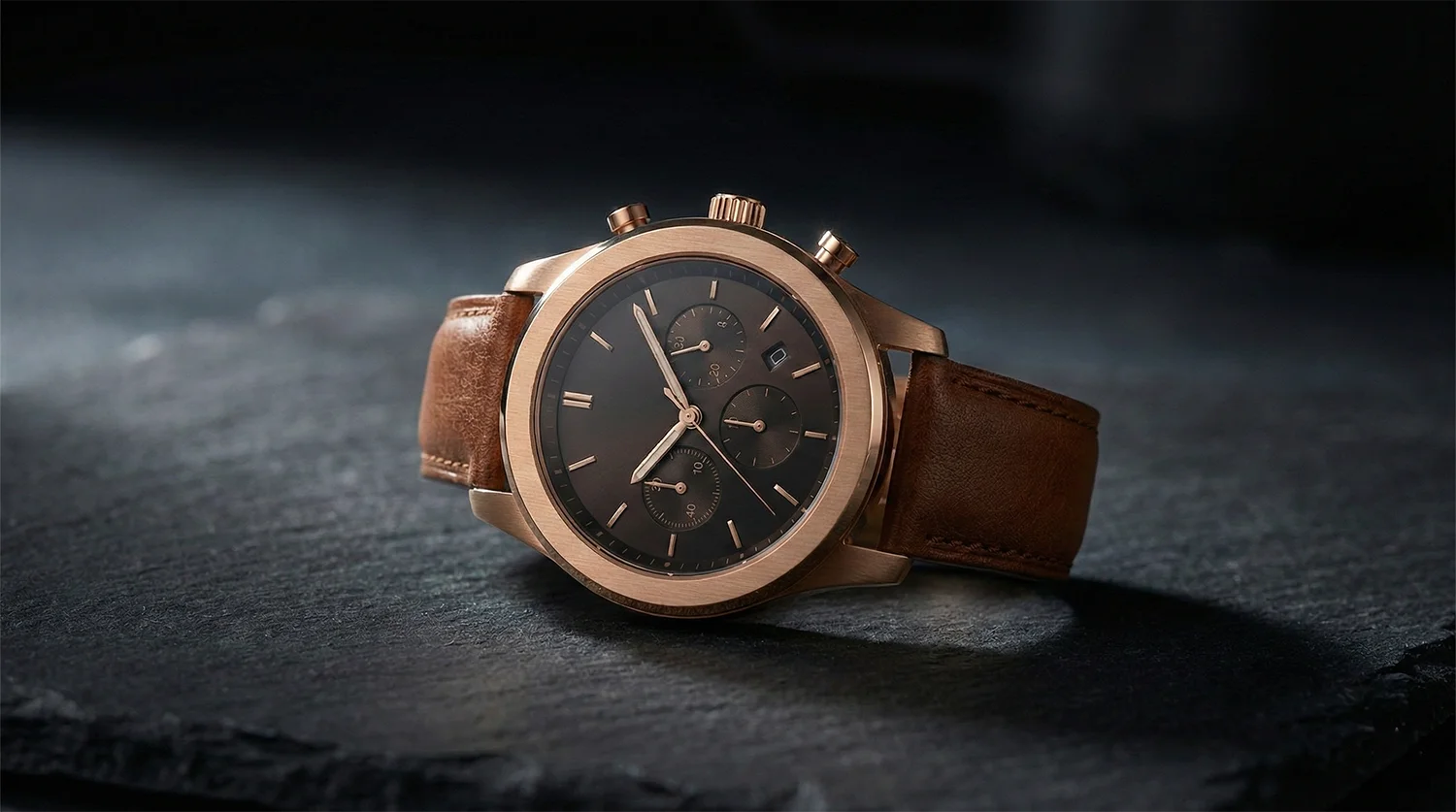
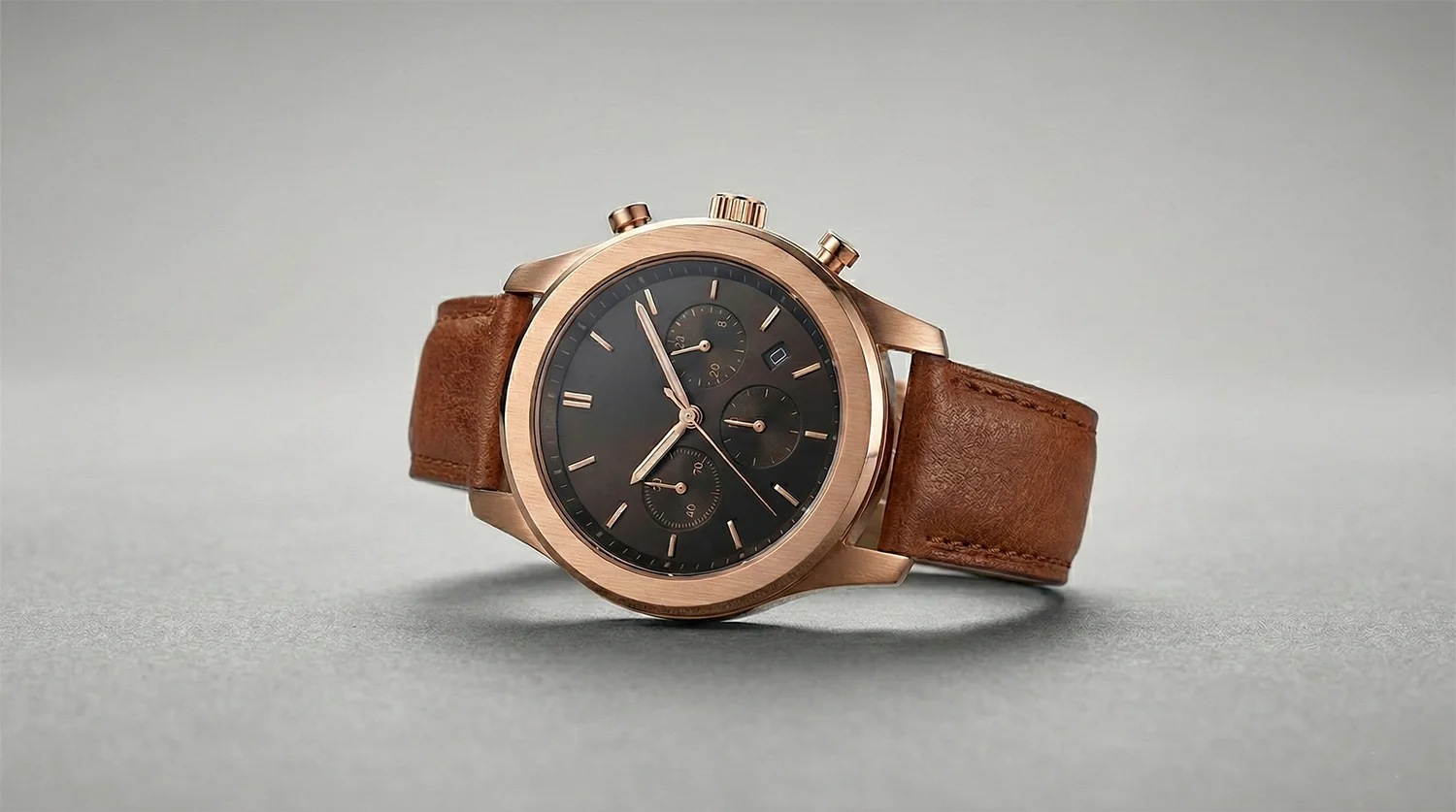
Take the same watch and photograph it two different ways. Under one light, the metal looks dull and cheap. Yet under another, it gleams and looks expensive. The product itself doesn’t change, but perception does – and that’s what defines perceived value. It’s not about what the product actually is; it’s about what customers believe they see.
Product photography lighting does something powerful: it makes buyers believe quality exists. A mid-range handbag under harsh light looks budget. The same bag under warm, careful light feels like a premium experience. This shift in perception is genuine and influences both customer purchases and the amounts they spend.
Mostly, people will pay more for products that look higher quality. Lighting for product photography plays a major role in the perceived quality. Here’s what matters: you can’t fix bad lighting with better words. The image comes first. It either makes people want to look closer or makes them suspicious.
Lighting techniques in photography have changed over the past decade. Businesses that master these techniques gain a real advantage. Professional retailers spend serious money on this because they know one simple truth. Increase product value perception through lighting, and you increase sales.
Psychology of Light and Perception
The human brain doesn’t see light as neutral. Different types of lighting create various feelings, which can influence whether people decide to buy:
- Soft light photography creates feelings of safety, luxury, and class. When it’s diffused across the product, shadows stay gentle. It means all details remain visible, but the effect feels upscale.
- Hard light photography is dramatic and detailed. It highlights the stitching on jackets, the fabric’s weave, and the wood’s grain. But it can also expose problems.
- Side lighting adds depth and makes objects appear three-dimensional.
The psychology is real. Soft light says, “We have nothing to hide, and we’re premium.” Hard lighting says, “Look at how well this is made.” This balance separates professional photography from amateur work.
Customers link products to a higher value in soft, controlled light. When they see chaotic, unsuccessfully controlled lighting, they think it's lower quality. Professional light control presents products accurately and clearly. Some categories need soft lighting to highlight quality without creating distracting shadows. When jewelry sits under soft light, every facet gleams with sophistication. When cosmetics are lit this way, they look clean and trustworthy.
How Lighting Builds Trust
Trust is everything in online shopping. If there’s no picture of the goods, a customer won't buy and will go to a competitor instead. The moment uncertainty strikes, conversion drops. Your first image determines whether a customer stays on your site or leaves.
Professional product images build trust through clarity. When the lighting for online store photos is correct, every detail you need to see is visible. This visibility closes the gap between expectation and reality. So, it prevents returns and customer frustration.
Poor lighting creates doubt. Shadows can obscure details, while bright spots may distort colors, making customers feel as if something is being hidden. Even if there are some invisible details, unclear images trigger warning signals. People don’t trust what remains hidden from clear view. This psychological response is automatic and robust.
You can reduce product returns by using light that accurately shows products as they are. Refunds drop when e-commerce image optimization uses professional lighting.
Consistency extends this trust further. When customers see consistent, clear images, they develop confidence in your brand. Shoppers believe you’re being honest about every product. This consistency becomes a trust signal that influences conversion and repeat purchases. Customers go back to businesses they trust. They like explicit imagery; it helps them know what to expect when their package arrives.
Soft vs Hard Light in Product Photography
Knowing when to use each lighting style separates professionals from amateurs. Every approach serves a specific purpose and works best with particular product types. To make a good decision, first understand what customers want. Think about what they need to see and how they should feel about their buy.
Soft light photography works best for these products:
- Premium textile and delicate fabrics;
- Jewelry and watches with reflective surfaces;
- Skincare and cosmetics requiring gentle presentation;
- Perfume bottles and luxury goods;
- Food and beverage items.
These product categories emphasize luxury and quality. So, retailers worldwide use it to increase perceived value and justify premium pricing.
Hard light photography works best for:
- Tools, hardware, and mechanical items;
- Architectural and structural products;
- Items where craftsmanship is the main selling point;
- Dark or matte finished products needing dimension;
- Goods where detailed texture is the primary value.
These product categories enjoy hard lighting. Customers want to see how well the company makes the item. Such light creates the texture, visibility, and dimensional depth that communicate quality construction. Buyers notice the weave of a fabric in bright lighting, the sharpness of tool edges, or the grain of wood. This helps them grasp the product’s value.
The best lighting setup for product photos actually combines both approaches. You start with soft light for the main quality feel, then add hard light sources for texture and detail. This combination gives you both a premium look and clear detail visibility.
Direction of Light and Emotional Response
Use front lighting when you want customers to see all the details with clarity. It’s straightforward and functional. Catalog photographers use it often because it’s honest and comprehensive.
Side lighting adds visual interest and makes things look sophisticated. It is the best way to mimic how our eyes see things. This angle is why magazine photography looks more engaging than basic catalog pictures. The depth creates visual interest that compels people to learn more.
Backlighting creates a halo effect. This is how you make a premium product look special. When light comes from behind, it creates a glow and makes the product stand out. High-end product photos use backlighting to frame products as exclusive. The glow communicates luxury and desirability.
Highlights, Shadows & Texture
Different materials need different light to show their value. So you must understand how lighting behaves when it hits different surfaces. Product appearance depends on how light bounces off the material:
- Shiny surfaces reflect light and need careful control to avoid blown-out bright spots.
- Metal requires precise lighting to look lustrous without harsh reflections.
- Fabric needs a side or back light to show the weave surface.
- Food needs balance and should highlight texture and show appetizing colors together.
The basic rule is simple: lighting techniques in photography must match material properties. Linen lit like polished metal will look wrong. In contrast, metal lit like fabric will look lifeless. And wood needs different angles than glass.
Visual product quality comes through when material properties are visible. Customers recognize quality when they see fabric weave, leather grain, or metal polish. High-quality materials look cheap under the wrong lighting. Yet, mid-quality items can look premium under the proper light.
Studio lighting for products involves testing various methods for each material type. This takes knowledge, experience, and patience. You’re creating a lighting library with proven approaches. Such a collection lets you take clean product photography for your catalog.
Why DIY Lighting Fails
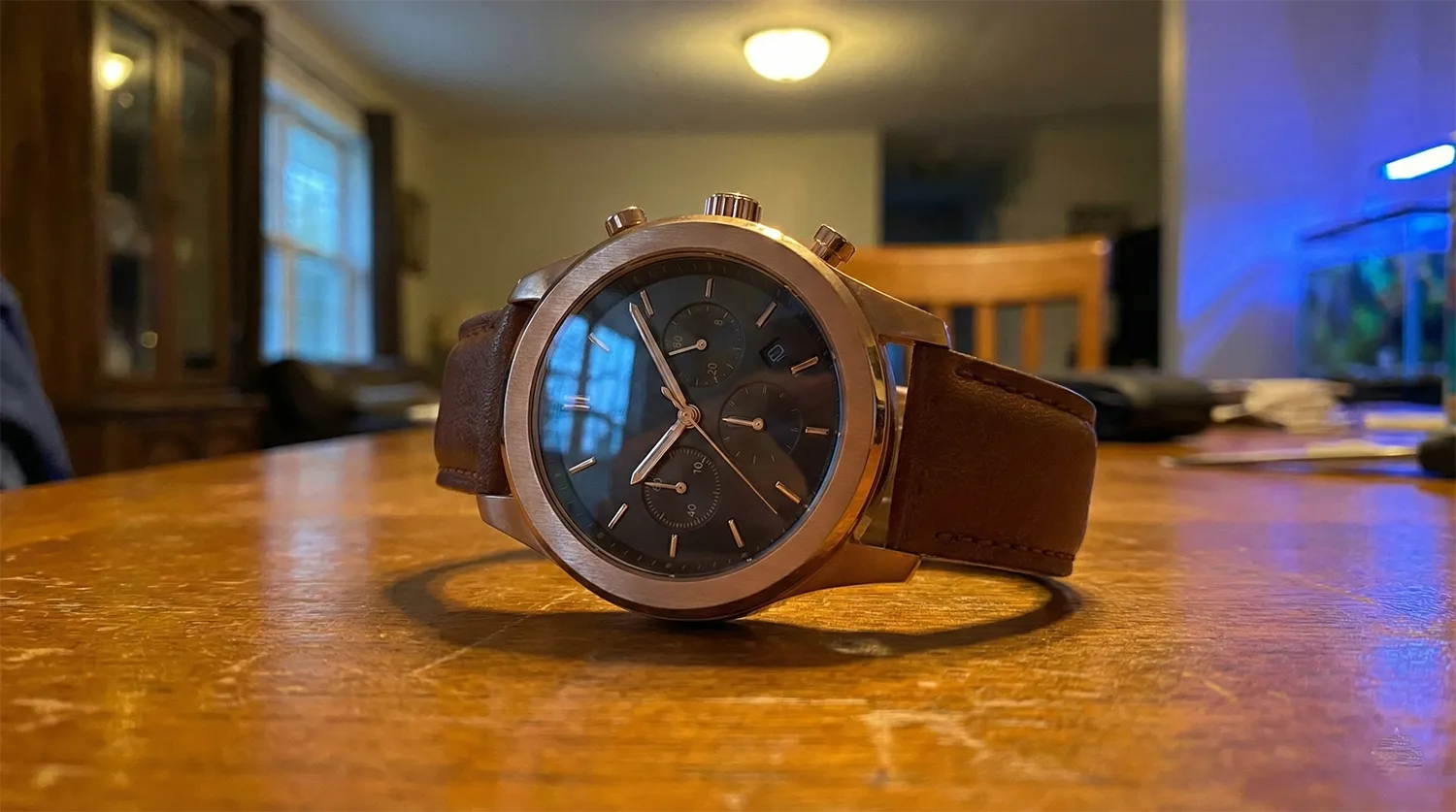
Many businesses try to save money using household lights. This is a false economy that costs more than the savings it generates. Household lamps give no control over color consistency or light quality. They’re made for room lighting, not product photography. So, the results are unpredictable and inconsistent.
A photography lighting studio uses illumination devices engineered for precision. Unlike DIY approaches, they lack a controlled lighting environment. Natural window light changes throughout the day. Yet, room reflections matter in this question. Even slight variations in positioning can cause the same product to look different.
Product presentation photography requires absolute consistency. If your blue shirt looks different in each photo, customers get confused. Professional studio lighting for products eliminates this because every picture follows identical protocols. Consistency builds confidence across your entire catalog and reduces returns.
Professional Lighting Workflow
Commercial product lighting follows a transparent, systematic process, which is dependable every time. Experts have refined it through decades of real-world experience.
First comes the testing phase; before taking final photos, professionals test with samples. The lighting setup examples document shows what works best for each product type. Second, detailed diagrams document the schematic selection. Third comes color calibration using special checkers and reference targets. Commercial photography studio setups invest in this because color mistakes increase returns. Finally, the workflow becomes repeatable and efficient. That’s why professional photography lighting produces better results.
Business Impact of Professional Lighting
The financial case for e-commerce product lighting is clear and measurable. You can increase conversion with images. Studies show that professional photography boosts conversion rates.
You can improve product presentation photography with professional lighting. E-commerce image optimization reduces operational burden. Price strength improves, too. Products photographed by professionals cost more.
Final Thoughts
Lighting isn’t optional for product presentation; it’s fundamental to how customers judge value. Studio product shoot standards exist because they work. Winning e-commerce businesses understand that product appearance isn’t about the product itself. It’s about the professionalism with which you show it. They invest in professional product images, recognizing the ROI. Good lighting boosts sales and strengthens brand reputation. So every amount spent can bring back several times more.
